Bridging the Digital Divide in Rural Africa: A Systems Approach
In a small rural village, a child with a smartphone can access the world’s libraries, yet in much of Africa, that possibility remains a distant dream. The digital divide, marked by limited infrastructure, high costs, and socio-economic exclusion, threatens to reinforce the very inequalities that technology ought to dismantle. While Africa is the fastest-growing mobile phone market in the world, over 60% of rural communities still lack meaningful access to the internet. In many parts of Sub-Saharan Africa, broadband coverage is spotty or non-existent, energy infrastructure is unreliable, and the cost of data is prohibitively high. The problem, however, is not just one of infrastructure; digital literacy, language accessibility, and content relevance all influence whether individuals and communities benefit from digital systems.
For children and youth in rural Africa, the digital divide presents unique challenges and opportunities. A young person may have a basic smartphone, but without skills, relevant applications, or trust in digital financial services, connectivity alone will not unlock new possibilities. The solution lies in a systems approach that integrates digital access with local development goals, education systems, and inclusive technologies. This means moving beyond simply distributing devices or building mobile towers. Instead of handing out phones, we need solutions that fit people’s lives, can grow with demand, and are owned by communities.
While technology presents potential dangers to children, such as exposure to misinformation and online exploitation, it can also be a powerful bridge-builder for children in Africa and other parts of the world. Children and youth who learn skills like app development and data analytics can create solutions for their communities to track water quality, platforms to share agricultural best practices, or systems to improve local healthcare services. Young Africans across the continent are helping to build apps that help farmers predict rainfall, for example MaliCrop in Mali and FASTA (Forecasting African Storms Application) in Kenya among others. That’s the kind of ripple effect digital literacy creates. This access can lead to further innovation and the use of emerging technologies to solve some of the world's most pressing issues.
For children and youth in rural Africa, the digital divide presents unique challenges and opportunities. A young person may have a basic smartphone, but without skills, relevant applications, or trust in digital financial services, connectivity alone will not unlock new possibilities. The solution lies in a systems approach that integrates digital access with local development goals, education systems, and inclusive technologies. This means moving beyond simply distributing devices or building mobile towers. Instead of handing out phones, we need solutions that fit people’s lives, can grow with demand, and are owned by communities.
While technology presents potential dangers to children, such as exposure to misinformation and online exploitation, it can also be a powerful bridge-builder for children in Africa and other parts of the world. Children and youth who learn skills like app development and data analytics can create solutions for their communities to track water quality, platforms to share agricultural best practices, or systems to improve local healthcare services. Young Africans across the continent are helping to build apps that help farmers predict rainfall, for example MaliCrop in Mali and FASTA (Forecasting African Storms Application) in Kenya among others. That’s the kind of ripple effect digital literacy creates. This access can lead to further innovation and the use of emerging technologies to solve some of the world's most pressing issues.
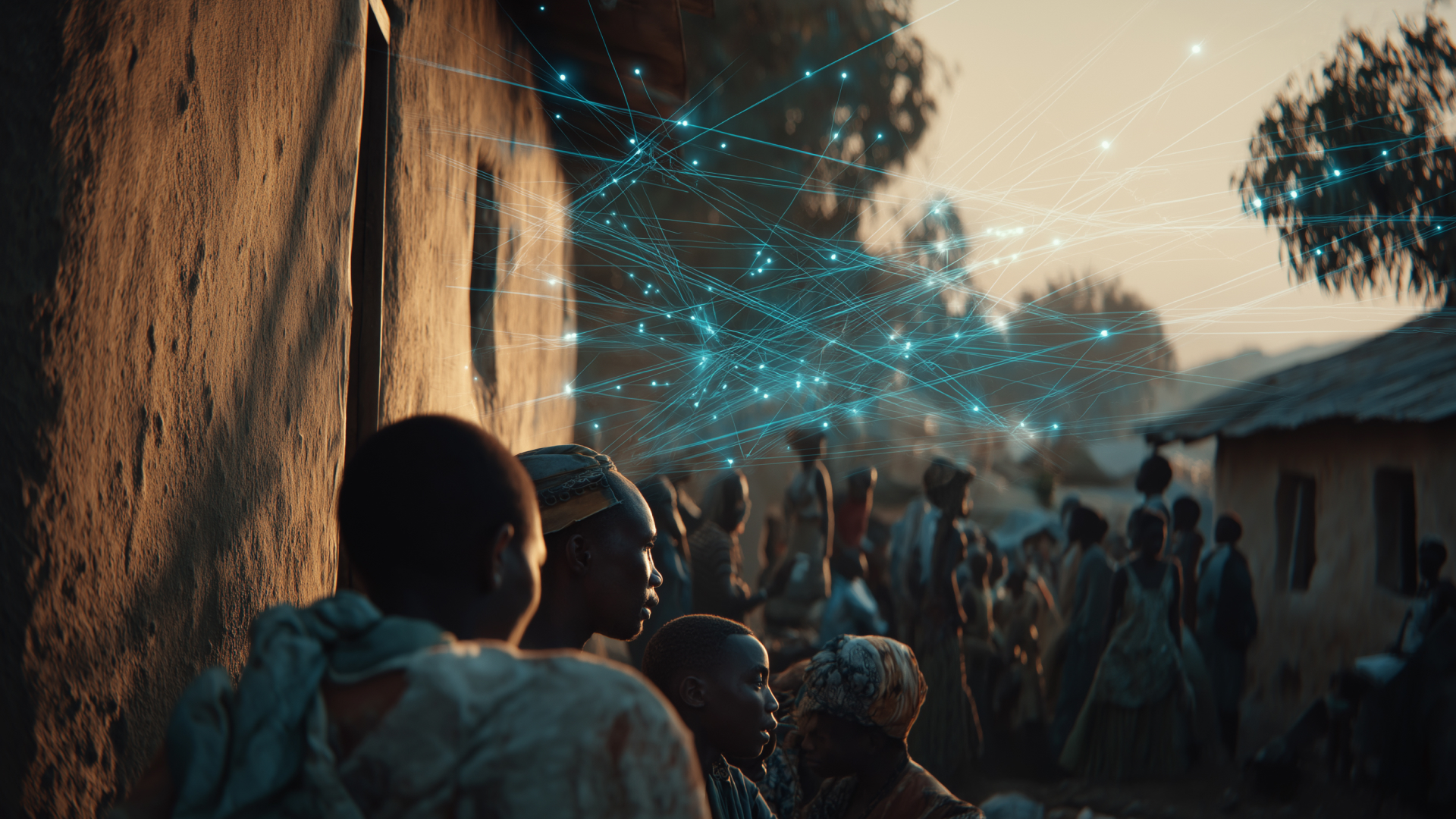
To amplify this impact, it's crucial to form strategic partnerships with governments, civil society, and the private sector. Africa already has a digital strategy. The challenge is making sure governments, civil society, and business use it to put affordable internet in people’s hands. A strong recommendation for anyone working in this space is to advocate for policy environments that promote affordability, open data, and human rights online. Regulatory frameworks must safeguard digital inclusion for the most vulnerable, including women, youth, and persons with disabilities, through universal service funds, accessible platforms, and multilingual content. This ecosystem-building approach reflects a broader philosophy: technology should not exacerbate inequality, it should dismantle it.
As global momentum builds toward a digital-first development paradigm, Africa stands at a crossroads. Investments in broadband, 5G, and AI-driven services are accelerating, but so are the risks of exclusion and dependency. The choice is whether we will replicate past inequities or reimagine systems that are inclusive by design. The vision for an inclusive digital future is one where a young woman in a remote village has the same digital tools and opportunities as her counterpart in Nairobi or Johannesburg. It is a future where marginalized communities are not just consumers of technology but architects of the digital age. This is a future where basic tech access for children becomes the foundation for innovation, solving local and global issues from the ground up.
To achieve this, we must go beyond pilot projects and tech-for-good slogans. The path forward requires mainstreaming digital inclusion into development agendas, national policies, and investment strategies. This calls for courage, humility, and co-creation, not just coding. We must work with governments, donors, innovators, and communities to build the digitally inclusive Africa we all deserve. The digital future won’t wait. If rural Africa is left behind now, the gap may never close. It is our collective responsibility to ensure that every child and youth has the opportunity to not just connect, but to thrive in the digital world.
As global momentum builds toward a digital-first development paradigm, Africa stands at a crossroads. Investments in broadband, 5G, and AI-driven services are accelerating, but so are the risks of exclusion and dependency. The choice is whether we will replicate past inequities or reimagine systems that are inclusive by design. The vision for an inclusive digital future is one where a young woman in a remote village has the same digital tools and opportunities as her counterpart in Nairobi or Johannesburg. It is a future where marginalized communities are not just consumers of technology but architects of the digital age. This is a future where basic tech access for children becomes the foundation for innovation, solving local and global issues from the ground up.
To achieve this, we must go beyond pilot projects and tech-for-good slogans. The path forward requires mainstreaming digital inclusion into development agendas, national policies, and investment strategies. This calls for courage, humility, and co-creation, not just coding. We must work with governments, donors, innovators, and communities to build the digitally inclusive Africa we all deserve. The digital future won’t wait. If rural Africa is left behind now, the gap may never close. It is our collective responsibility to ensure that every child and youth has the opportunity to not just connect, but to thrive in the digital world.
Ask a Question