How to Support Your Child? A Guide for Parents of Bullying Victims
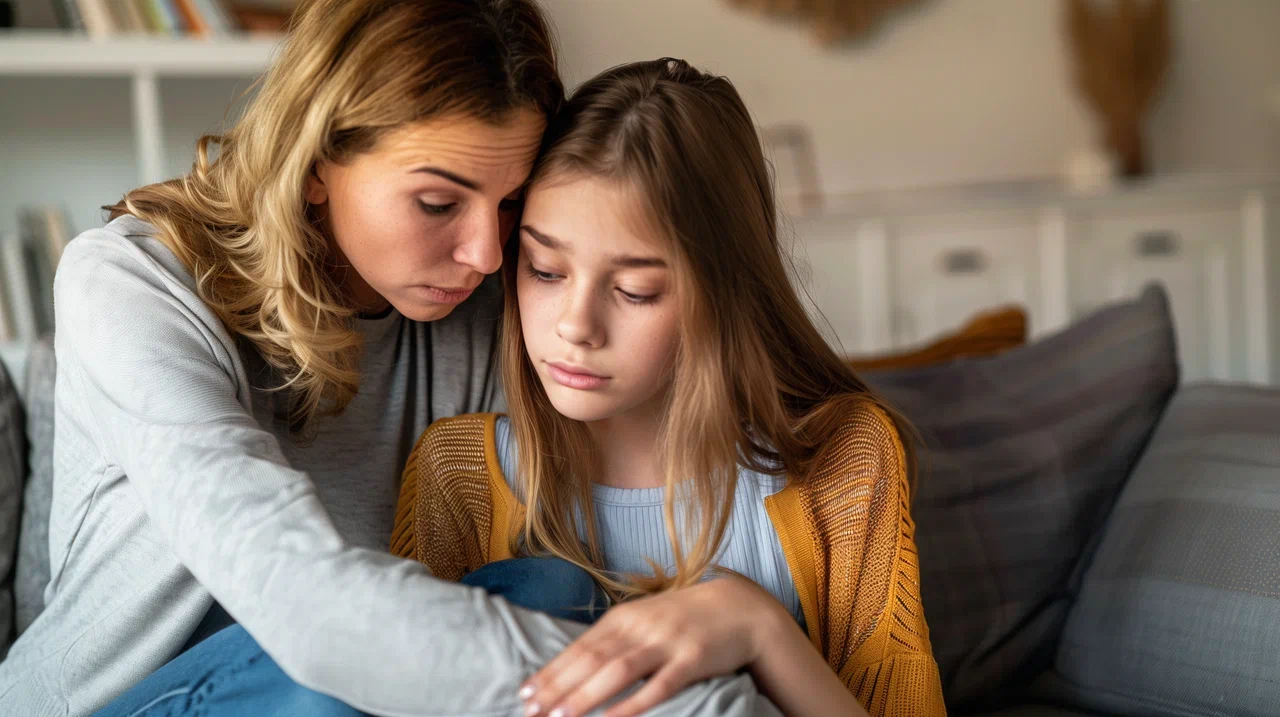
Where to start? Start with yourself. Try to calm down and soberly look at the situation.
- Share your feelings with your loved ones. This will help you get your feelings out loud and find out what's worrying you the most.
- Physical activity will help you cope with your anger: sport, light exercises at home, walks.
- Breathing exercises, meditation, creative work or any monotonous work will help to decrease your anxiety. Tidying up also works.
- To cope with feelings of helplessness, try to focus on what you can control. Write a plan, think about what actions you can take to prevent bullying.
If you are not able to deal with your feelings, seek professional help, such as a free helpline.
Emotions have been worked through - now you are ready to support your child.
Listen Carefully Your Children
Let them know that you are there now and that they no longer have to deal with the problem alone. This will create a warmth and caring environment, which will strengthen the victimized child’s sense of self-esteem and self-worth.
Share Their Feelings
"I'm sorry this happened". Show that what has happened is not normal: "It shouldn't be like this", "It's terrible". Say that you will do your best to solve the problem.
Emphasize that the problem is not with the victim but with the aggressor and that anyone could be in your child's place. Explain the reasons for such behavior: by humiliating another person, the aggressor may be taking out one’s own frustrations and trying to prove one’s importance. Sometimes the abuser may just believe all this to be funny. Explain that abusers are expecting a response from the child and if they don't get one, they are likely to back off. It is therefore important not to react to provocation and to remain calm.
Train Possible Patterns of Behavior:
- Walk away if there is a threat of physical danger.
- Report the incident to a trusted adult: Homeroom Teacher, favorite teacher, School Psychologist, Deputy Headteacher, Head of School.
- Control your body language to look confident: maintain a medium distance from the offender, gesticulate in a measured manner, look the offender in the eye.
- Fight back saying "No", "I don't like that", " I don’t allow you to treat me like this".
Share Your Action Plan with Your Child
Promise that you will take any next steps only with your child's permission - and keep your promise.
Now that you feel better and have supported your child, it's time to contact the school and discuss further actions to stop the bullying.
- Contact the Homeroom Teacher and report the bullying. List the facts and provide evidence.
- Agree on a timeframe and the next steps to be taken.
- After some time, check with both the child and the Homeroom Teacher to see how things are going.
- If the problem is not resolved, contact the Head of School.
- Invite the school to become a member of the Travly NET (NO to Bulling) anti-bullying program. You can read more about it on the Nest Educational Platform.