How Do I Know If My Child Is Being Bullied?
Most parents are confident that they will know immediately if their child is being bullied. Many are also convinced that their child will tell them about the bullying and name the classmates who bully them. Psychological research shows that this is not the case. Today, one in three Russian schoolchildren is bullied, but only 14% of parents know about it. The good news is that it is possible to determine whether your child is actually being bullied.
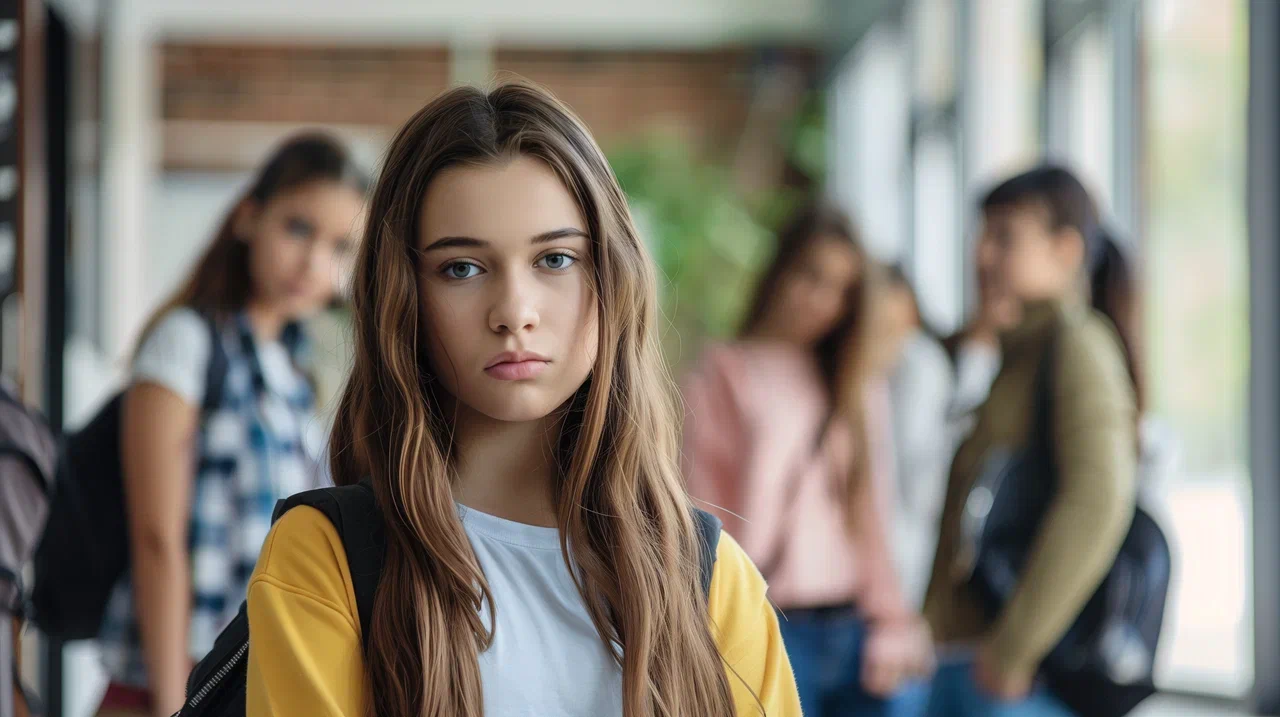
What Changes in a Child's Behavior Should Alert Parents?
- The child has become sad and withdrawn or nervous and aggressive.
- The child refuses to attend school, especially extracurricular activities.
- The child is often ill, pretends to be ill, or looks for any reason to stay home.
- The child has no friends: he/she is not invited to visit, does not go for walks with other children, there is no one to invite to a birthday party or to visit him/her at home.
- The child becomes irritable and gets tired quickly, and his/her performance at school gets worse.
- The child refuses to talk about school events, gives one-word answers to all questions.
- The child asks to be seen off and picked up from school by one of the parents, even if he used to do it on his/her own.
- The child’s self-esteem has dropped sharply, he/she scolds himself, calls him/herself a weakling and a loser.
- The child often breaks or loses things and cannot explain what happened.
- The child has started to ask for more pocket money but does not explain why.
- The child has bruises on his or her body which he/she does not explain.
One point from this list is not enough to determine whether a child is being bullied at school, but a combination of several points can be a sign of psychological and/or physical abuse. So, try to analyze the situation in general and find out the details. If the violence is deliberate and systematic, and the child is the only one being bullied by a group of aggressors, then it is bullying. The first thing to do is to give the child emotional support and get them out of danger.
How to Help?
Anyone can end up in the victim's place, and the aggressors themselves are often unable to explain why they are bullying their classmate: they just want to, it's fun, he/she is weird - the list is endless. Therefore, it is important to focus not on finding the cause, but on specific actions that will stop the bullying.
The first thing to do is to gather the facts, clearly describe the problem to the class teacher and get his or her support. Ask the class teacher to make a plan and start monitoring the situation. If the incident is serious, you may allow the child to stay home from school for a while. For example, until the circumstances have been clarified, and the situation has improved.
Leaving your child to deal with aggressors on his own is not a good solution. Bullying will not harden your child's character, but only traumatize him. Only competent efforts of adults will help stop bullying. And it is better to intervene earlier than to bring the situation to serious psychological problems.
Realizing that your child is not sharing his or her feelings is a difficult challenge for parents, but this problem can be solved. You can visit Nest Educational Platform to find out more about how to establish open communication with your child.