Choosing Right Antivirus Software
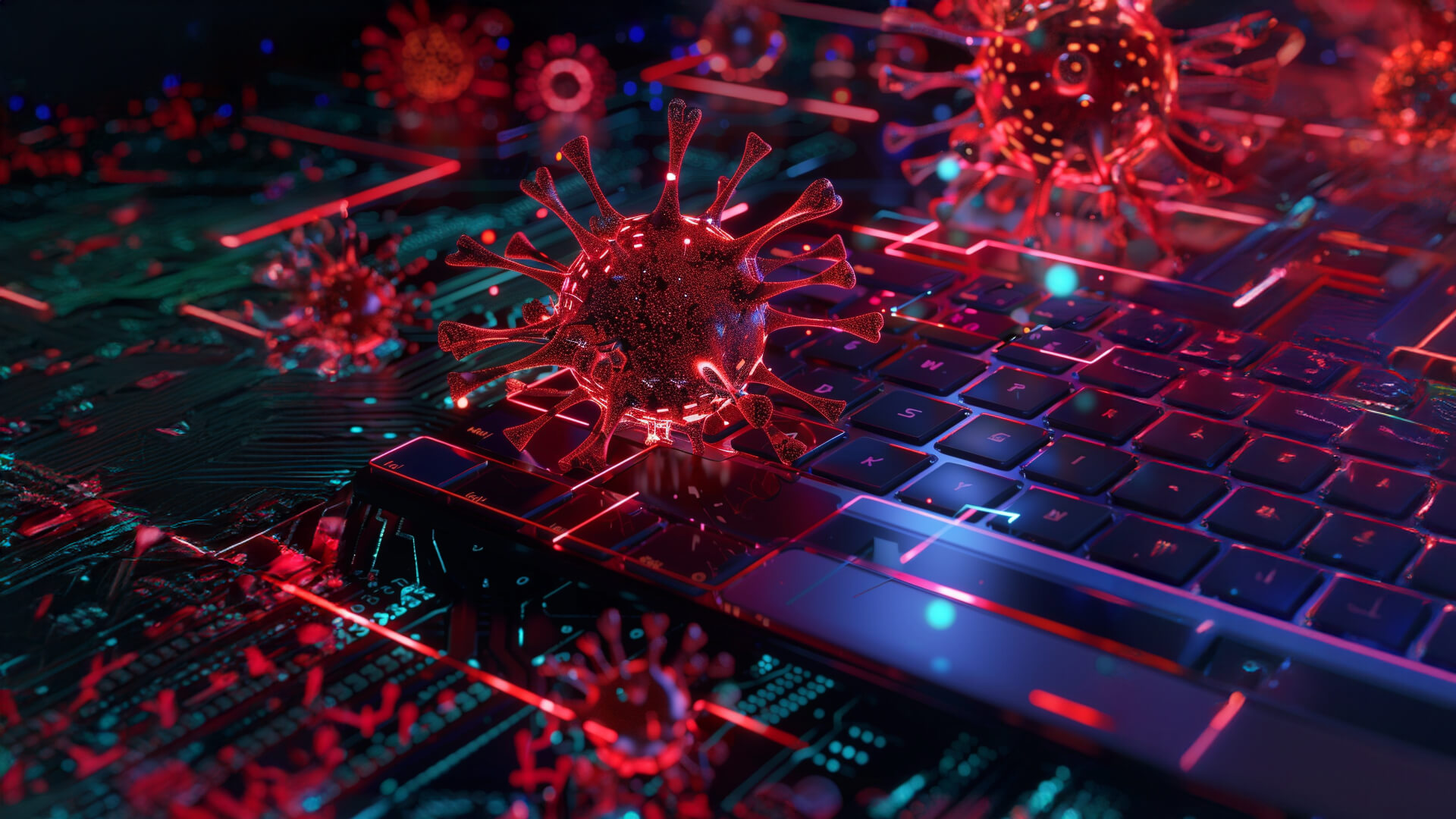
How to Choose the Right Antivirus Software?
Protecting your computer is especially important when children start using it. What should parents pay attention to when choosing antivirus software?
Antivirus Software, What Is It
An antivirus is a software package that protects a computer or other device from viruses and other malicious attacks. As well as searching for and killing viruses on your hard drive, antivirus software can analyze downloaded files for threats, filter emails and warn you if you're visiting a suspicious website.
Most antiviruses are distributed on a freemium model - you get protection, but with limitations. For example, the service will scan for viruses, but won’t protect you from fake websites. The free version also has a lot of advertising. Children need more protection than free antivirus offers, so consider a version with advanced security software features.
Choose Strong Protection
One of the most important criteria for choosing the best antivirus is its reliability. Such a product should:
- Protect processes without conflicting with other programs installed on your computer. For example, when installing an antivirus on your computer, check if you already have similar security programs. If so, the antivirus should ask you to uninstall the conflicting software first and then start the new installation.
- Provide up-to-date protection. Threats are constantly evolving, so antivirus should do the same. A good antivirus is a product that regularly updates databases of modern threats and knows how to fight them.
- Automate security checks. A reliable antivirus should offer automatic malware scans. For example, it should run scans when your computer is in sleep mode. This mode is activated where your computer is locked, or its desktop screensaver has been running for 5 minutes. When you return to work, the virus scan will automatically stop and resume next time from the stage where it stopped.
Look for Comprehensive Protection
An antivirus program is effective against traditional types of malware, but that doesn't mean your computer can't be infected with a more complex and dangerous virus. So, a good antivirus should include comprehensive protection against modern threats, such as:
- Viruses which are a type of malware that can damage or delete data from your computer and slow it down.
- Trojan programs disguise themselves as licensed software and open access to other forms of malware on your computer.
- Worms are independent programs that spread through network connections without any “help” from the user.
- Spyware collects user information and sends it to servers controlled by hackers.
- Rootkits are a special type of hidden malware that allows attackers to remotely access and control a computer. When a hacker gains access to a rootkit-infected device, they can copy and run files, change operating system settings, install additional software (usually other types of malware), and so on.
- If ransomware infects a computer, it takes control of the device and encrypts photos, documents and videos. Once the computer is infected, cybercriminals demand money from their victims in exchange for access to their data.
- Adware displays advertisements on the screen and in web browsers, reducing computer performance and usability. It can also help infect the computer with other malware.
- Network attacks are attempts undertaken by hackers to control your devices remotely. They can do this by "jailbreaking". This is where a firewall comes in handy to prevent network attacks. A good firewall should block external attacks and report suspicious traffic coming from your computer to the outside world.
- Web threats are dangers that lurk for people and computer systems on the Internet. That's why a good antivirus should include a web protection module that prevents you from visiting sites with malicious content.
Antivirus is a program that requires a lot of processing power to do its job. However, all security system vendors strive to minimize the impact of their products on computer performance. If your computer is not the most powerful one, consider the performance aspect.
A good antivirus should:
- Have a negligible impact on your computer's boot time. Your system should boot almost as fast as it did before the antivirus was installed.
- Have virtually no impact on computer performance. Antivirus is useless if it makes your computer freeze.
- Scan your computer quickly. As a rule, high quality antivirus programs will scan your computer for threats more quickly than others.
A good antivirus should be easy to use for both parents and children who know next to nothing about cybersecurity.
That means it should:
- Be easy to navigate. Give you an intuitive way to navigate through different windows, tabs, menus and settings.
- Have user-friendly touchscreen. The number of touch-screen computers is growing. A good antivirus should have elements that are easy to use with your fingers, not just with your mouse cursor.
- Be clear. The user should be able to easily navigate the program settings.
Many comprehensive security products include additional tools beyond the basic antivirus. In other words, antivirus alone isn't enough, so it's worth looking at the list of additional features that will enhance your security:
- Password managers store your complex, unique passwords in an encrypted vault. These are secure solutions that allow you to remember only one password to access all your accounts. A lot of password managers can be used to store sensitive documents and images.
- Home Wi-Fi network monitoring detects all devices connected to your wireless network and warns you of new connections – so you can spot uninvited guests in time and block their access. Some services can even help you find a lost device using GPS.
- Data leak monitoring checks your accounts against databases of compromised data. If your credentials have fallen into the hands of hackers, you will be notified and be able to take steps to protect them.
- Hard Drive Integrity Monitor checks the performance, health, and temperature of your internal and external hard drives, so you always know how optimized your system is.
- Parental Control helps you monitor your child's traffic and keep them away from inappropriate sites. It also prevents gadget addiction by limiting the usage time.
Consider Reputation
Buying and using security software from a reputable company is usually safer than buying a similar product from an unknown company. For example, if you choose an unknown or free antivirus, you may end up installing a virus on your computer that you were trying to protect yourself from.