Psychological Consequences of Cyberbullying in Children: How to Help Victims? Advice for Parents and Educators
What is Cyberbullying?
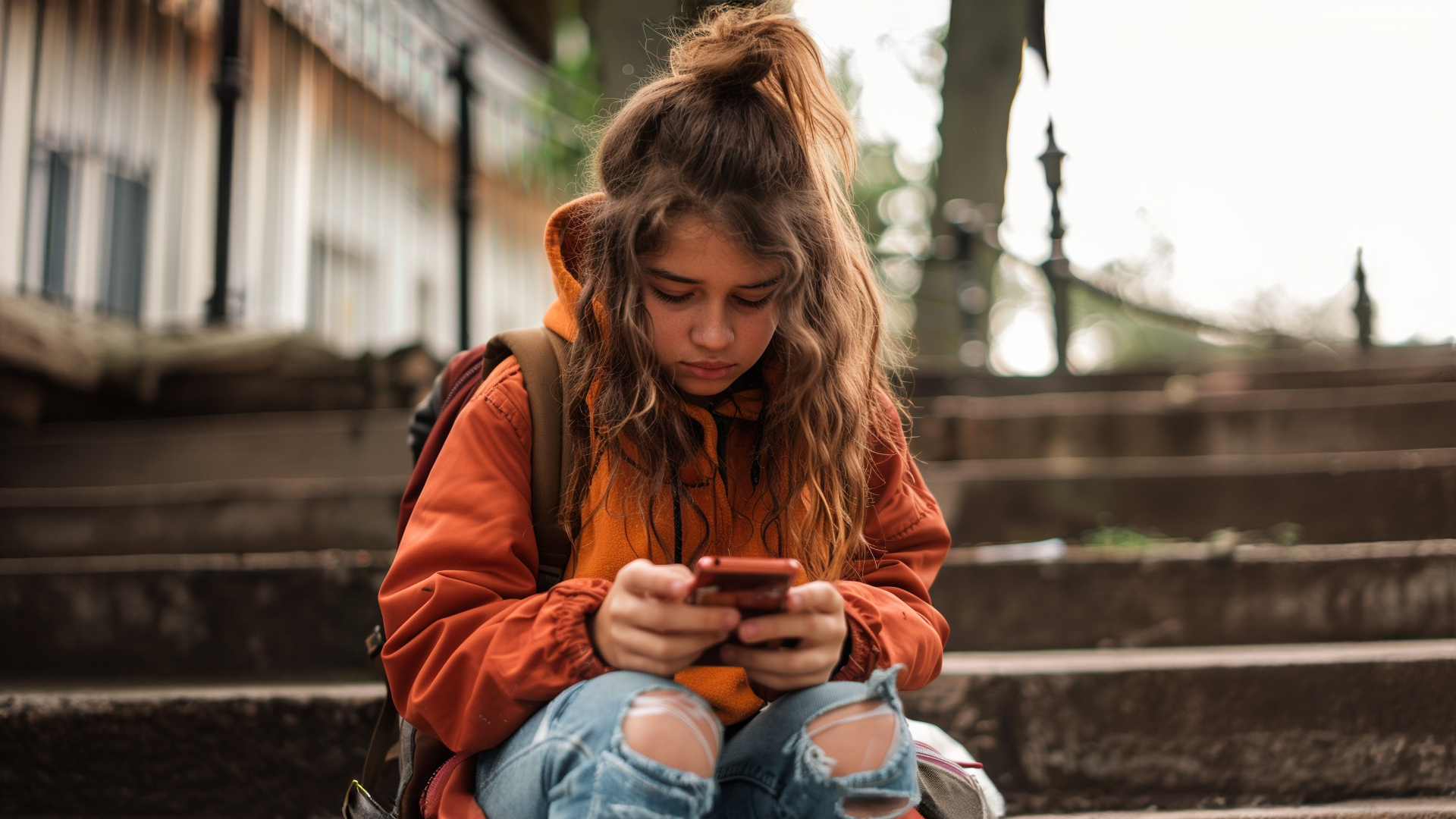
Cyberbullying is a form of harassment, intimidation, threats or emotional abuse that takes place online. Insulting messages, fake rumors, humiliating photos or videos – all of this and more are things which can be identified as online bullying. Cyberbullying is usually anonymous and once it reaches the right target, it can spread quickly. Children who have suffered cyberbullying experience the same problems as children who have been emotionally abused or bullied in real life.
What Consequences Can Cyberbullying Have on a Child’s Psyche?
Constant feelings of threat or fear can have a negative impact on mental health. These children can become hyper-anxious or suffer a hard teenage depression. When a child is stressed, they may also experience physical symptoms such as headaches, stomachaches, insomnia, fatigue, loss of appetite or digestive problems. There may be compulsive movements or tics, which children find difficult to control.
Another consequence of cyberbullying is a decrease in children's self-esteem. Constant insults and humiliation make a child very sensitive to the opinions of others. They stop believing in themselves and expect to be constantly threatened or humiliated by others. Very often children withdraw into themselves and stop trying to build social relationships, do not want to make contact with new people, do not believe in themselves and their abilities. They withdraw from the world, preferring to be alone.
As well as isolating themselves, children also become isolated by their peers. Other children do not want to interact with "unpopular" mates and try to avoid them. So, the child find him or herself socially isolated.
Behavioral Consequences of Cyberbullying
Deterioration in Academic Performance: there are only two ways our brain can operate - either defending against threats or developing. When a child is cyberbullied, they have to defend themselves or hide, or both. At this point, cognitive abilities are put on pause, and learning withdraws into the background. As a result, academic performance suffers greatly.
Risk of Aggressive Behavior: Some children, when confronted with cyberbullying, may respond with aggressive behavior in an attempt to defend themselves or retaliate against those who bully them. We have witnessed situations where "pushed over the edge" teens display extreme aggression. When examining the motives, experts most often conclude that the child has been bullied by classmates or other children.
Behavioral Changes: Children who have been cyberbullied may change and exhibit behaviors that were not previously typical of them, such as withdrawing into themselves, avoiding social contact, or spending more time online seeking support. Or, on the contrary, children may become overly obsessive and clingy, seeking love and support.
How Can I Help My Child Deal with The Psychological Effects of Cyberbullying?
The first thing to do is to show that you care about your child's problems and that you can be trusted to talk about them. Very often children hide the fact that they are being bullied for a long time because they are ashamed or afraid that their parents will scold them. Even if the child tells you something very negative or (in your opinion) what they have done wrong, first of all, thank them for their openness and willingness to make contact and be honest with you. Believe me, what he needs most at the moment is support.
Making the dialogue is also important to show that the feelings the child is experiencing are normal and that he or she is not to blame. Because you remember that when a child is bullied, their self-esteem is severely affected, don’t you? They start to feel worthless and insignificant. Support them, stand up for them and then explain how to cope.
Help your child understand how to manage personal information online, how to recognize potentially dangerous situations and how to respond appropriately. It's important to share your own experiences: how do you store information? How do you communicate online? For example, teach your child how to block aggressors, ignore negative comments, and seek help from adults.
The second thing that can help is to teach the correct response to aggression. It is important to talk to your child about the tools he or she can use to cope with one’s own aggression (because, as we already know, bullying causes it). Aggression can be "tamed" through sport, and there are effective ways to adequately show aggression. Teach them to your child. Strengthening children's psychological resilience and their ability to respond effectively to aggression is key to preventing negative outcomes.
It is also necessary to help the child cope with the consequences of stress. Teach your son or daughter breathing and relaxation techniques and show them how to relive stress and negative emotions through creativity. Encourage art, dance or music lessons. Develop skills of empathy, emotional perception and understanding of social situations - this will help children effectively interact with others and resolve conflicts that arise online. And it will also help restore faith that the environment can be warm and accepting.
If you feel you can't cope on your own, ask for support: psychologists can help in complex cases where a child has been cyberbullied for a long time. If cyberbullying is happening within the school community, seek help from the school administration. They can take steps to stop aggressive behavior and provide a safe environment for all pupils. Be aware of the situation and respond immediately if you discover ongoing cyberbullying. Work with parents, teachers, and other adults to develop strategies for responding to and preventing cyberbullying.