Internet and Social Media Impact on a Child's Self-Esteem
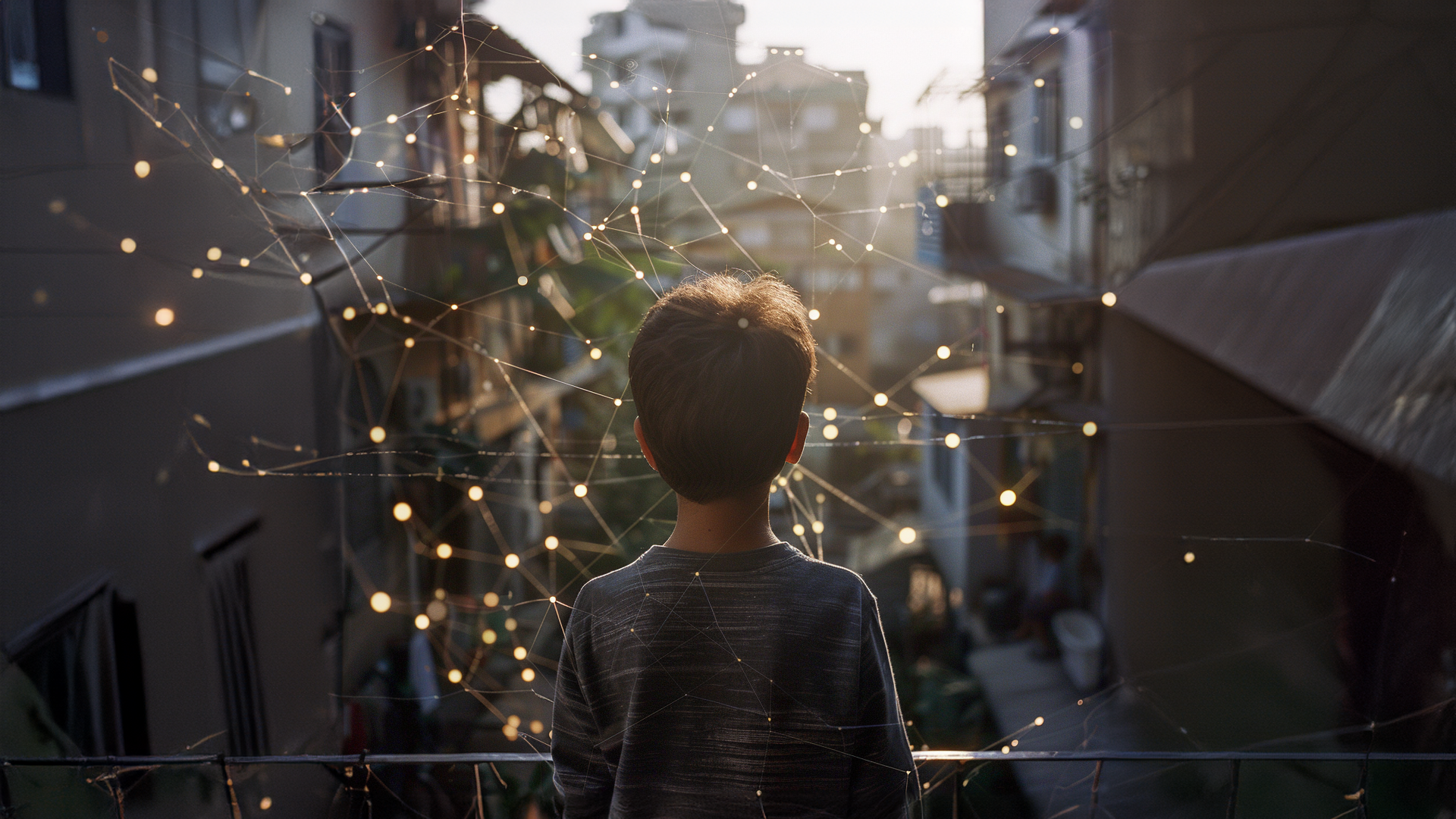
The impact of the Internet on self-esteem and self-perception is especially pronounced in children than in adults, because the psyche of adolescents is in the process of formation. They are like sponges absorbing all the information, and the flow of this information is so high, that it is really difficult to keep track of it. By self-esteem, I mean confidence, self-respect, and positive thinking about one’s own abilities and potential. Some say that social media has a negative impact on self-esteem, while others strongly disagree. Like any other phenomenon, it is impossible to look at the Internet and the effect of social networks one-sidedly, so we will consider both its negative impact and positive effects.
Some of the Internet Negative Impacts on Children's Psyche Include:
- Narcissism
There is a popular joke now: “In our childhood we used to lack love, and modern children lack likes” and, as it happens with any joke, this is only partially not true. Children tend to imitate the behavior of those who admire themselves and show off for the camera, and they begin to imitate them. I am sure you have seen those videos of little "Internet Queens", which other children look up to from an early age. Such an approach creates a distorted perception of oneself in which narcissistic traits are most evident.
- Low Self-Esteem
Comparing yourself to someone who only shows his or her best photos or qualities is sure to make you feel less than perfect. Children are becoming very critical of themselves, so one of the most frequent requests to child psychologists now is, for example, one concerning various kinds of eating disorders. Children as young as six may begin to lose weight because they perceive themselves as "fat”. Virtual platforms often present idealized images of life, appearance and success, which can give children the illusion that their own lives and appearance are imperfect. Comparisons to the "perfect" lives of others can lead to low self-esteem. It's also common for teens to base their self-esteem on how many "friends" or subscribers they have.
- Vulnerability to Cyberbullying
Cyberbullying, which has a major impact on self-esteem, has become commonplace because it can be done anonymously and without any chance of being caught.
- Fear of Missed Opportunities (FOMO)
Overflow of constantly updating information, chat rooms, and social media, cause kids to feel worried that they are going to miss something really important if they get distracted from their phone or tablet.
- Creating a False Reality
On social media, you only see what the person wants you to see. And often that's not what really happens. Later on, facing reality can cause a lot of frustration in children, as well as resistance to looking at things the way they really are.
Social media also creates the illusion of a relationship, which can lead to false expectations of what real-life relationships are like. Virtual relationships are not the same as real (non-virtual) friendships, playing together, or romantic relationships, but children are unable to soberly evaluate this because they lack personal experience.
- Loss of Identity
In their search for identity, children often imitate what other people do. They also want to be noticed, to feel popular. They search for themselves by imitating others: taking lots of selfies or posting things they think will attract attention and be liked. But eventually, this behavior can lead a child to stop hearing oneself and resorting only to imitation. And that, in turn, leads to inner conflict.
- Lack of Empathy
Children focus on the image rather than the real people around them. This can lead to a lack of empathy and detachment from real life.
As long as such behavior does not become an obsession, there is no reason why children cannot use technology in a positive way to become more aware of their emotions, make new friends, communicate better with others, and even increase their self-esteem.
So, Positive Effects of The Internet on Children's Self-Esteem Also Exist:
- Self-Confidence
The Internet provides access to educational resources that can enhance intellectual development and improve academic skills. It strengthens a child's belief in oneself and their cognitive abilities. If I don't know something, I always can get access to information or support from friends or a significant adult.
- Self-Expression
Social media and blogging provide an opportunity for creativity and self-expression, which can build self-confidence. Now children create vlogs, where they can draw, dance and share with friends and the world. It's a great base for self-expression and recognition.
- Feedback and Recognition
Positive comments and likes from peers can improve mood and self-esteem. If a child is in a friendly social media environment, this strengthens his or her self-confidence and creates an additional sense of community and belonging to the team.