Online Threats: Doxxing
More and more young people are experiencing cyberbullying, online stalking and other forms of online psychological abuse. Unfortunately, some forms of online violence are moving from the Internet to the real world. For example, doxxing - collecting and publishing personal information without the owner's consent.
What Is Doxxing and How Is It Dangerous for Young People?
On the Internet, information spreads instantly and it is almost impossible to remove it from the network once it is published. This is what doxxing is based on.
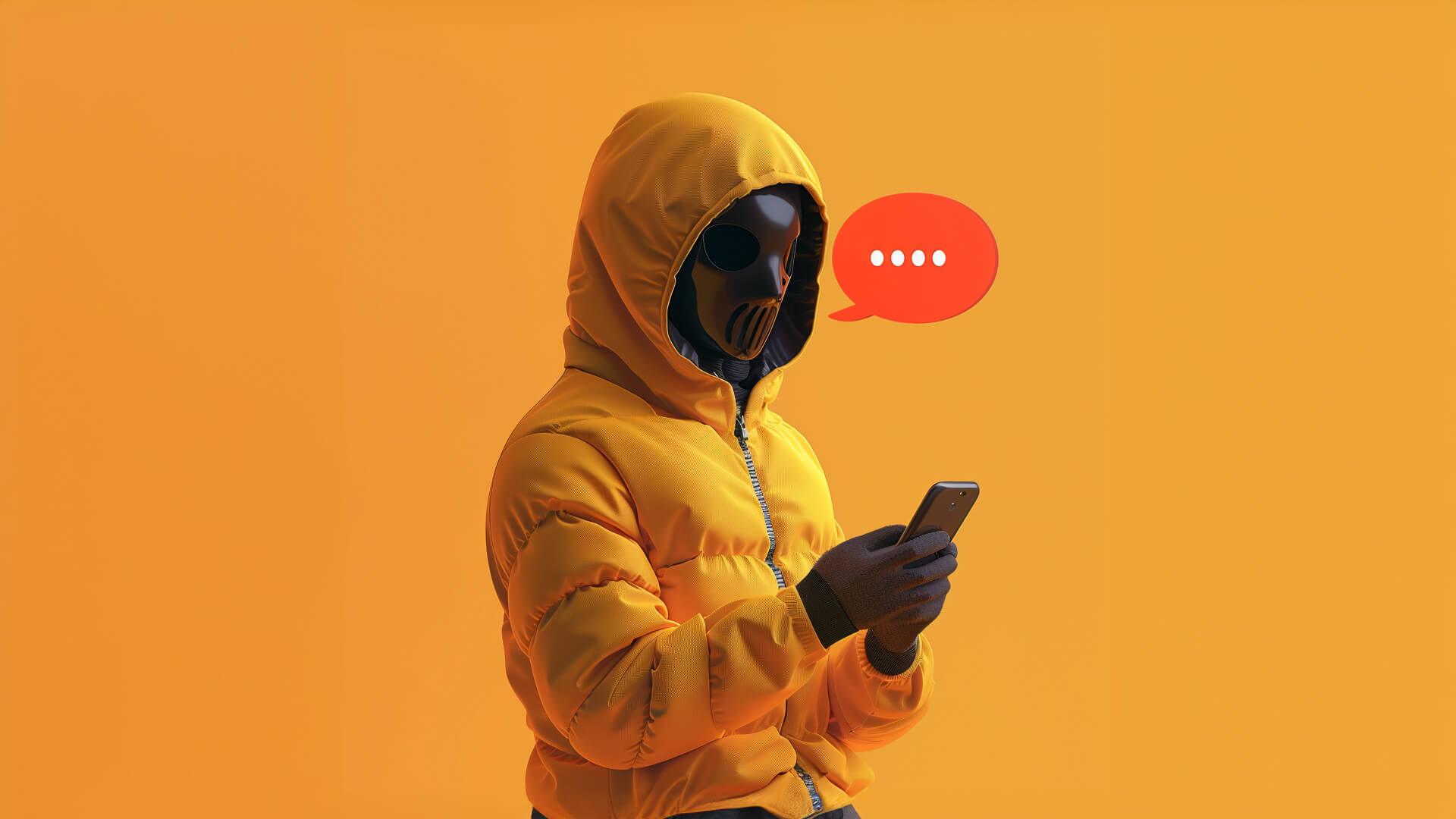
A doxer (this is the name of a person who doxxes) collects information about the victim and then either threatens to publish it or actually does this.
Doxers may have various goals: to intimidate, humiliate, punish or just make the victim pay for the privacy of their own data.
Unfortunately, the consequences of doxxing can be quite serious. Some people have to change their place of study or even their place of residence. Attackers, whether they know the victim online or in person, can use doxxing to give others access to their phone number, email address or place of residence. This information can then be used for harassment and bullying.
Anyone from a high school student to a political figure may become a doxxing victim. Many doxxing victims have never aimed at attracting any attention online or even have had closed social media accounts. And what’s more, some people become doxxing victims by mistake. For example, a Singaporean animal rights activist published the name and address of the owner of the car that had hit a dog calling for "Give her some hard times!". The public condemnation of the accident had a negative impact on the woman's career: her place of work quickly became known, and strangers started posting negative comments about the car's owner on the company's social media page. But in fact it had been a different person driving the car at the moment of the accident. So the owner of the car paid with her reputation, being innocent of anything.
How to Protect Yourself from Doxxing
If you or your child uses social media, it's important to remember that setting a photo or post to "private" does not protect it from prying eyes. In addition to data leakage and account hacking, anyone with access to the page can save or share your information without your knowledge, even without malicious intent.
Personal information can easily fall into the wrong hands.
Here Are Some Tips How to Avoid Becoming a Doxing Victim:
- Observe online etiquette. Online anonymity creates an illusion of impunity: it's easier to leave a critical comment online than to say the same thing in person. You should treat others online with respect, and talk to an adult in case of uncomfortable situations.
- Remember the value of personal information. There is a simple rule that will help you understand what is worth posting and what is not. Ask yourself two questions:
- Are you willing to share this with people you don't know?
- Are you sure that you want this information on the Internet forever?
Any photos, videos and statements you post will never disappear from the Internet. That's why it is important to consider and evaluate every step you take online.
You Should Not Forget About Technical Tools to Protect Yourself:
Check the privacy settings on social networking sites. Accounts contain a lot of information about our lives. By default, the information we share is visible to everyone and gets picked up by search engines. Most social networks have privacy settings where you can control access to individual posts and photos, as well as searches by phone number if it is listed.
Use different logins for different systems. It's convenient to have one login and password for all social networks, messengers and emails. But mind that it makes life easier not just for you, but for the doxer as well. An attacker will be able to spy on you by finding your profiles on different sites using the same or similar login.
Use complex passwords. Strong passwords usually consist of at least 12 to 14 characters, including uppercase and lowercase letters, numbers and special characters. If you have trouble remembering them, you can store them in a password manager.
Use two-factor authentication. If the doxer finds out your password, you are going to be protected by the second way of logging in. Text, push or a backup email - any method will do. It's important to be consistent and set up a second factor for all accounts.
What To Do If You Have Become a Doxxing Victim
- Complain about any posts where your personal information has been spread. Social networks usually recognize this as privacy violation, so the posts are likely to be deleted. You can also ask friends to complain about these posts. This will speed up the process.
- Gather evidence. Keep evidence of threats or blackmail in any form: letters, messages, social network posts, phone calls. This can come in handy later to confirm doxxing.
- Get support. Talk to your parents or trusted friends about what has happened. Their support can help you get through a difficult time.